

Why AI can help you think but can't help you heal.
The Rise of ChatGPT Therapy
I recently read a statistic that one in four Americans are more likely to use a chatbot like ChatGPT as a therapist than go to traditional therapy. My reaction was split right down the middle. Intrigued that so many people have a desire to seek insight into themselves, and genuinely horrified that a disembodied bot, is what they’re turning to. And while I’m picking on ChatGPT here, any AI can seamlessly and inappropriately fill these phantom shoes. Gemini, Claude, Copilot, whatever bot you’re confiding in at midnight.
Let me be clear. I am not an AI hater. Not even close.
For the last year and a half, I gave myself fully to AI, honestly much to the criticism of my family and friends. AI manages my schedule, drafts my emails, polishes my presentations, co-constructs retreats with me, flags my writing for bias, plans my vacation budget, and most importantly, meal plans for me. (If you’ve never had a robot tell you what to eat for the week, you’re missing out on a very specific kind of freedom.)
But here’s the thing. There’s one role I’ve never headed over to AI: being my therapist. An actual human being does that with me. And yes, I have absolutely typed the prompt, “Did that sound nuts?” at the end of a hard day. We’ve all been there.
But asking a question like that to AI will only ever give you one side of the coin. Here’s why.
Why AI Can’t See Your Blind Spots
AI is built to pick out themes and trends within the context you feed it. That means if you have a blind spot, and spoiler alert, you do, that content will never be reflected back to you as part of the auto-generated insight. AI can only work with what you give it. It can’t see what you’re not saying. It can’t feel the tension you’re carrying into a room. It doesn’t notice the three-second pause before you change the subject.
A huge part of therapy lives in the nonverbal. The social signals, the body language, the vibe. Saying to your partner, “I need more from you” can sound like a simple, reasonable plea. But when it’s paired with dagger eyes and a sharp tone? That’s a completely different moment. That might be a moment where something deeper needs attention. Something protective. Something old.
All of those layers require an actual human sitting across from you. Someone trained to catch not just what you’re saying, but how you’re saying it, and what you might be avoiding altogether.
AI can reflect your words. It can’t read your silence.
It can help you think. It can’t help you heal.
What a Therapist Can Do That a Chatbot Can’t
And that distinction matters more than most people realize. Because therapy isn’t about getting the right answer. It’s about being seen fully, honestly, even in the parts you didn’t know were showing. A chatbot can summarize your patterns. A therapist can sit in the discomfort with you while you figure out what those patterns are protecting you from.
I love AI. But I love myself too much to let it be my therapist.
Because at the end of the day, like all humans, I have blind spots. Blind spots that could turn into glaring craters if I let a machine infantilize me with context-free feedback, validating everything I say without ever challenging what I’m not saying.
So use AI. Use it boldly. Let it plan your meals, organize your calendar, and draft your emails. But when it comes to the stuff that actually shapes who you are becoming? Sit across from a real human. One who can hold space not just for your words, but for your silence.
That’s where the healing lives.
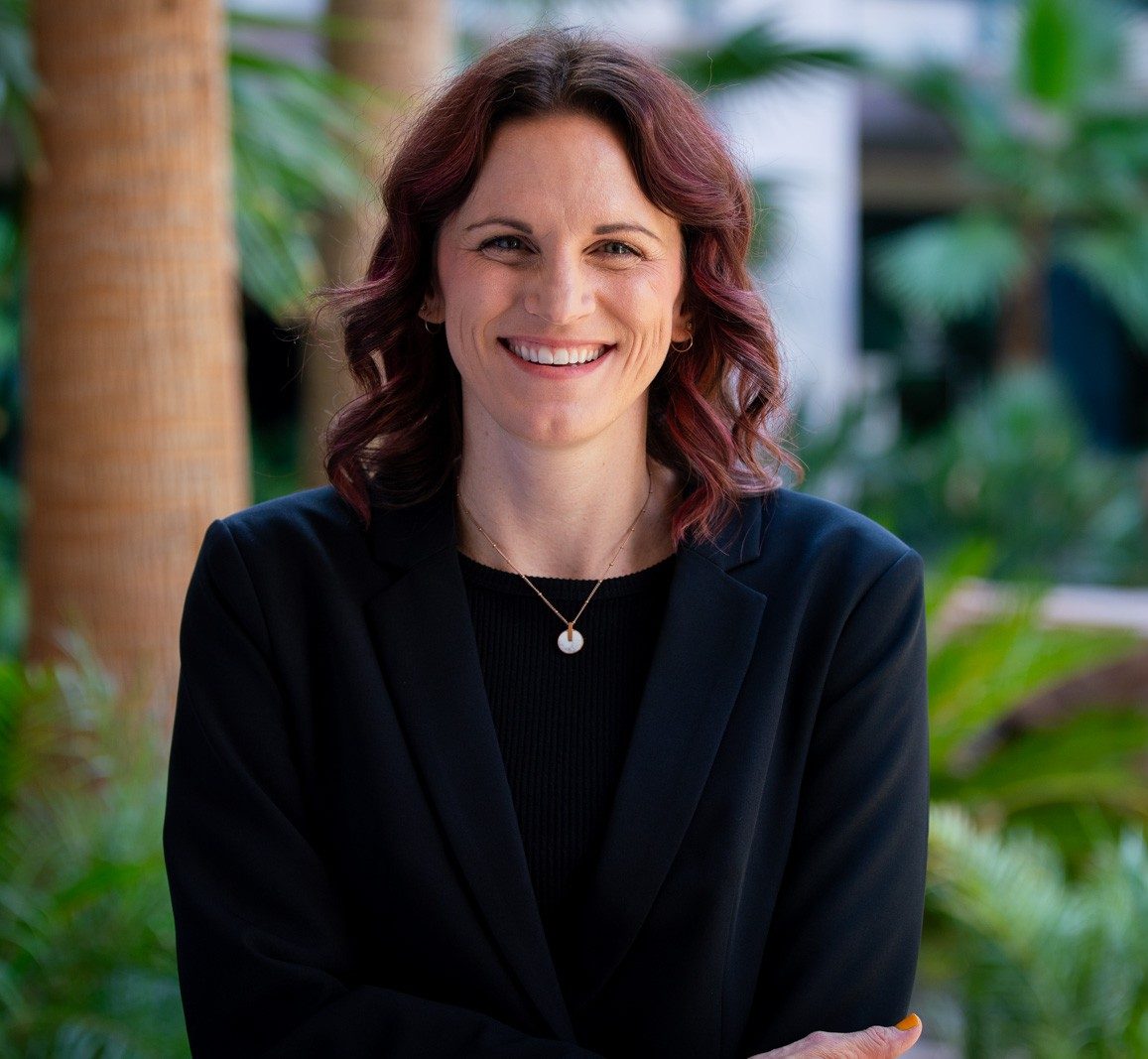
Written by
Nicole Brewer, CPC, LCADC
Founder & CEO | reTHINK Therapy
Psychotherapist, EMDR Consultant
We are ready when you are.
Book a session with a trauma therapist at reTHINK Therapy today.
Interested in more resources?
Whether you're curious about therapy or ready to start, these are good next reads!
Long-Term Effects of Communal Trauma
How shared experiences of loss and crisis can affect individuals and communities over time.
Read the article → EMDREMDR Therapy in Henderson
What EMDR is, what a session looks like, and how it helps the brain reprocess painful memories.
Learn more → TelehealthOnline Therapy Across Nevada
Secure video sessions with a reTHINK therapist from anywhere in Nevada.
Learn more →